Dr. Bhau Daji Lad Museum

About

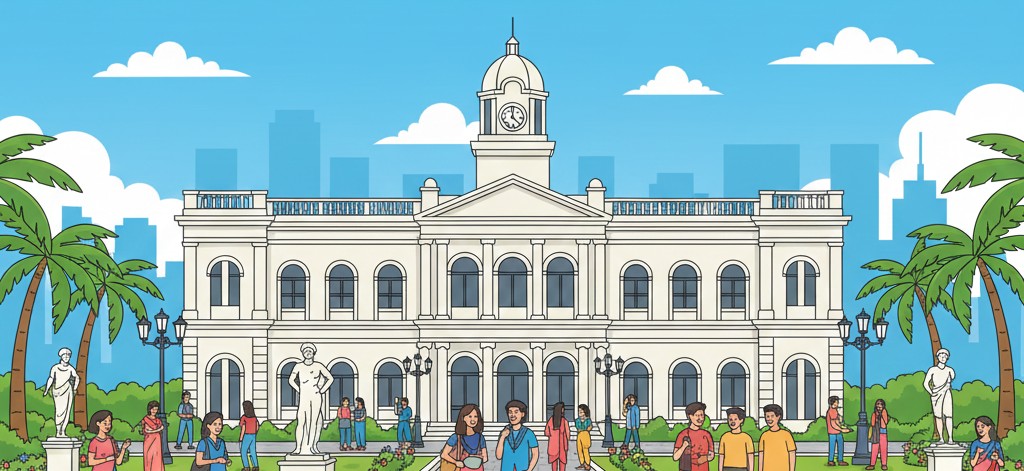
Dr. Bhau Daji Lad Museum, Mumbai’s oldest museum, is a treasure trove of art, history, and craftsmanship that beautifully reflects the city’s cultural evolution. Nestled inside the lush surroundings of Byculla’s Veer Mata Jijabai Bhosale Udyan, it offers visitors a journey into the artistic soul of 19th-century Bombay. Originally established in 1855 as the Victoria and Albert Museum, it was later renamed in honour of Dr. Bhau Daji Lad, a visionary philanthropist and one of the key figures behind the museum’s foundation.

The museum’s architecture itself is a masterpiece, blending Victorian and Renaissance revival styles. Its grand hall, adorned with intricate stucco work, gold gilding, and cast-iron columns, stands as a reminder of colonial-era opulence. Inside, the museum features over 3,500 objects, including fine Indian craftsmanship, historical maps, clay models, and vintage photographs that document the early urban and cultural development of Mumbai.

Visitors can explore thematic galleries that narrate the city’s evolution from a cluster of seven islands to a thriving metropolis. The museum also hosts regular exhibitions, art workshops, and educational programs to promote traditional arts and crafts. A well-curated souvenir shop and a pleasant courtyard café further enhance the visitor experience.

Highlights:

  • Established in 1855, making it the oldest museum in Mumbai
  • Renamed after Dr. Bhau Daji Lad in 1975
  • Features over 3,500 objects, including decorative arts and clay models
  • Designed in Renaissance revival style with Victorian interiors
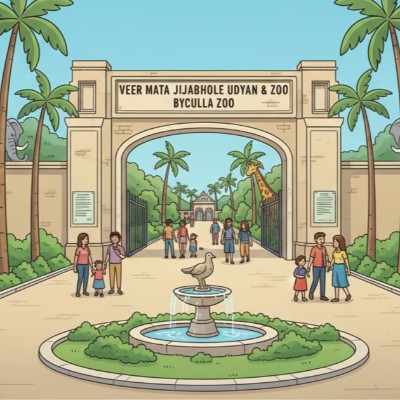
  • Located within the Byculla Zoo premises (Veer Mata Jijabai Bhosale Udyan)
  • Managed jointly by the Municipal Corporation of Greater Mumbai (MCGM) and the Jamnalal Bajaj Foundation


Whether you are an art lover, a student of history, or simply a curious traveller, the Dr. Bhau Daji Lad Museum offers an enriching experience that connects you deeply with Mumbai’s heritage and artistic legacy.
History

The Dr. Bhau Daji Lad Museum, one of Mumbai’s most significant heritage landmarks, has a fascinating history dating back to the mid-19th century. Originally established as the Victoria and Albert Museum in 1855, it was the first museum in Mumbai dedicated to the decorative and industrial arts. The museum was renamed in 1975 to honour Dr. Bhau Daji Lad, a renowned physician, scholar, and civic leader who played a key role in promoting the city’s educational and cultural institutions.

The museum’s construction was completed in 1872 under the architectural guidance of William Tracey, while George Birdwood contributed to the development of its concept and exhibits. Its unique design reflects the Renaissance revival style with strong Victorian influences, symbolising the grandeur of colonial architecture. Over the years, the museum fell into neglect but was later restored in 2003 through a collaboration between the Municipal Corporation of Greater Mumbai (MCGM), the Jamnalal Bajaj Foundation, and INTACH. This extensive restoration brought the museum back to life, reviving its original elegance and historical significance. Key historical highlights include the museum’s role in preserving Mumbai’s artistic heritage, its early collections of clay models depicting local life, and its evolution into a modern cultural centre that continues to educate and inspire.

Key Highlights:

  • Originally established in 1855 as the Victoria and Albert Museum
  • Renamed in 1975 after Dr. Bhau Daji Lad
  • Construction completed in 1872 under architect William Tracey
  • Conceptual development by George Birdwood
  • Restored in 2003 through partnership with MCGM, INTACH and the Jamnalal Bajaj Foundation
  • Built in Renaissance revival style with Victorian influence


Facts & Figures

The Dr. Bhau Daji Lad Museum is not only a cultural landmark but also a marvel of meticulous design and preservation. Every element of the museum reflects a harmonious blend of history, art, and architecture. The museum building follows the Renaissance revival style with distinct Victorian influences, featuring cast-iron columns, ornate ceilings, and gilded mouldings. It houses an extensive collection of over 3,500 artifacts, including dioramas, maps, manuscripts, and clay models illustrating early Mumbai life. The central hall’s patterned Minton floor tiles and elaborately painted walls offer a glimpse into colonial-era aesthetics.

The museum occupies an area of nearly 3,500 square metres within the Byculla Zoo campus, with galleries divided into sections like Industrial Arts, Historical Mumbai, and Urban Development. A team of professional conservators and historians maintains its collections under controlled climatic conditions.

Key Facts:

  • Built area: approximately 3,500 sq. metres
  • Established: 1855
  • Architectural style: Renaissance revival with Victorian elements
  • Total exhibits: over 3,500 artifacts
  • Major materials used: cast iron, stucco, wood, and Minton tiles
  • Managed by: MCGM and INTACH with Jamnalal Bajaj Foundation
  • Climate-controlled preservation system for artifacts
0211
📝 Current Scenario

The Dr. Bhau Daji Lad Museum today stands as one of Mumbai’s best-preserved cultural institutions, continuing to attract art lovers, students, and tourists. Following its award-winning restoration, the museum functions as a vibrant hub for heritage awareness, contemporary art programmes, and community engagement. Its galleries are regularly updated with curated exhibitions, educational workshops, and collaborations with national and international artists.

The museum premises are clean, well-maintained, and equipped with modern lighting, temperature control, and visitor-friendly facilities. Weekends witness higher footfall, especially due to its location inside Byculla Zoo. The management actively preserves its collections while promoting cultural dialogue through events and research initiatives. Annual programmes, craft demonstrations, and artist-led tours keep the museum relevant in Mumbai’s cultural landscape.

Current Highlights:

  • Regular art exhibitions and curated showcases
  • Heritage workshops, craft demonstrations, and school programmes
  • Modern climate-control systems to preserve artifacts
  • Higher weekend footfall due to proximity to Byculla Zoo
  • Collaborations with national and international artists
  • Clean, well-maintained premises with upgraded lighting


Notable Collections & Exhibitions

The Dr. Bhau Daji Lad Museum is renowned for its exquisite collections that showcase Mumbai’s historical, cultural, and artistic journey. Among its most important treasures are the meticulously crafted clay models depicting everyday life in 19th-century Mumbai, one of the museum’s signature collections. The museum also hosts rotating exhibitions featuring contemporary artists, thematic showcases, and heritage-centred displays.

Its permanent galleries highlight industrial arts, traditional craftsmanship, and rare maps that document Mumbai’s transformation from seven separate islands into a major urban centre. Special focus is given to Indian artisanship through metalwork, woodwork, textiles, and pottery. Throughout the year, the museum conducts a variety of curated exhibitions, making every visit distinctive and enriching.

Key Features:

  • Clay model collection depicting 19th-century Mumbai
  • Permanently curated galleries on industrial arts and craftsmanship
  • Rare maps showcasing the evolution of Mumbai
  • Showcases of metalwork, textiles, pottery, and woodwork
  • Rotating exhibitions featuring contemporary artists
  • Archival photographs of old Bombay life
  • Award-winning restoration projects on display


📝 Best Time to Visit

The Dr. Bhau Daji Lad Museum is best visited during the cooler months when exploring the zoo campus and museum surroundings feels more comfortable. Since it is an indoor attraction, the museum can be visited year-round, but mornings and weekdays offer a quieter and more peaceful experience. The monsoon months add charm to the surrounding gardens, while summer afternoons tend to be warmer and slightly more crowded.

Visitors who enjoy cultural events may plan their visit around special exhibitions, workshops, or heritage walks regularly hosted by the museum. Weekends attract higher footfall, so arriving early helps avoid queues and enjoy the galleries at a relaxed pace.


Best Time Highlights:

  • Ideal months: November to February
  • Visit on weekdays for a calmer experience
  • Mornings offer pleasant temperatures and fewer visitors
  • Monsoon adds greenery to Byculla Zoo surroundings
  • Check for special exhibitions or workshops for enriched visits
  • Weekends see higher footfall due to zoo visitors
0511
📝 Timings, Entry Fees & Rules

The Dr. Bhau Daji Lad Museum operates with visitor-friendly timings that allow ample time to explore its galleries and exhibitions at a relaxed pace. The museum generally remains open throughout the week except for Mondays, which are reserved for maintenance. Entry fees are modest, making it accessible for students, families, and tourists who wish to explore Mumbai’s heritage. Children, students, and senior citizens enjoy concessions, while special exhibitions may have separate charges.

Visitors are expected to follow basic museum etiquette, including avoiding flash photography inside the galleries, maintaining silence, and not touching the artifacts. The museum’s management encourages responsible behaviour to ensure the preservation of its collection.

A small disclaimer: museum timings, ticket prices, and exhibition charges may change occasionally. It is advisable to check their official website or contact the museum before planning your visit.

Timings, Fees & Rules:

  • Open: Tuesday to Sunday
  • Closed: Mondays for maintenance
  • General entry fee: approximately ₹10 to ₹30 per person
  • Children, students, and senior citizens have concessions
  • Special exhibitions may have additional charges
  • No flash photography inside galleries
  • Do not touch artifacts or lean over display cases
  • Maintain silence to respect other visitors


How to Reach

Reaching the Dr. Bhau Daji Lad Museum is convenient thanks to its central location in Byculla, one of Mumbai’s oldest and best-connected neighbourhoods. The museum lies inside the Byculla Zoo campus, making it easily accessible by road, rail, and air. Visitors can choose from multiple transport modes depending on their starting point.


By Air:

  • Nearest airport: Chhatrapati Shivaji Maharaj International Airport
  • Travel time: around 35 to 50 minutes by taxi or cab
  • Airport buses and app-based cabs provide direct connectivity


By Train:

  • Nearest station: Byculla Railway Station on the Central Line
  • Short walk or auto ride to the museum
  • Frequent trains from CST, Dadar, Kurla, Thane


By Road / Bus:

  • Easily accessible from South Mumbai, Lower Parel, Dadar, and Worli
  • Multiple BEST buses stop near the Byculla Zoo entrance
  • Taxi and auto services available throughout Mumbai


Tips & Hacks

Visiting the Dr. Bhau Daji Lad Museum becomes more enjoyable when planned with a few practical tips in mind. Since the museum is located inside Byculla Zoo, reaching early helps you avoid crowds and enjoy a peaceful walkthrough. Photography inside galleries is generally permitted without flash, so carrying a good camera or phone adds value to the experience.

Weekdays are quieter compared to weekends, making them ideal for tourists who prefer calm environments. The museum’s galleries require slow walking and attention to detail, so comfortable footwear is recommended. Staying hydrated and taking short breaks in the courtyard area helps maintain comfort during long visits.

Tourists planning to attend workshops or special exhibitions should check the museum’s schedule in advance, as such events are often limited to specific days.

Tips & Visitor Hacks:

  • Visit early in the day to avoid crowds
  • Weekdays offer a quieter and more relaxed experience
  • Photography without flash is usually permitted
  • Wear comfortable shoes for walking through galleries
  • Carry water and take breaks in the courtyard
  • Check schedules for exhibitions, workshops, and guided tours
  • Keep noise levels low to respect other visitors
0811
Recommendations for Tourists

The Dr. Bhau Daji Lad Museum is a rewarding stop for both local and international tourists, offering an engaging mix of heritage, art, and storytelling. Local visitors can plan a half-day itinerary that includes the museum, Byculla Zoo, and the beautifully landscaped gardens surrounding the campus. For international tourists, guided tours and heritage walks offer deeper insights into Mumbai’s cultural evolution and the historical context of the museum’s collections.

Travellers interested in photography, architecture, or history should allocate at least two hours to fully appreciate the intricate interiors, clay models, and themed galleries. The museum shop is a great place to pick up handcrafted souvenirs reflecting Indian art traditions.

Families, students, and culture lovers benefit the most from weekday visits when crowd levels are lower and galleries are quieter. The museum is also suitable for elderly travellers due to its well-maintained, accessible walkways and seating arrangements.

Recommendations:

  • Local tourists can pair visit with Byculla Zoo and gardens
  • International tourists should opt for guided heritage walks
  • Allocate at least 2 hours to explore galleries in detail
  • Visit the museum shop for handcrafted souvenirs
  • Weekdays are best for quiet and comfortable exploration
  • Suitable for seniors due to accessible walkways


Food Courts / Food Options Nearby

Food options around the Dr. Bhau Daji Lad Museum cater to all types of budgets and tastes. Since the museum is located in Byculla, visitors will find a mix of iconic eateries, budget-friendly joints, and family restaurants within a short distance. Many of these places serve authentic Mumbai-style dishes, continental meals, and quick snacks ideal for a relaxed break during a museum visit.

Must-try items include local bakery snacks, Irani chai, kebabs, biryanis, and popular Mumbai street food. Budget travellers will appreciate affordable thali options and pocket-friendly cafés, while those seeking a premium dining experience can choose from well-known restaurants in nearby areas like Mahalaxmi and Lower Parel.

Nearby Food Options:

  • Byculla Bakery – snacks and pastries – approx ₹150 per person
  • Noor Mohammadi Hotel – Mughlai dishes and kebabs – approx ₹300 per person
  • Cafe Irani Chai – Irani chai & bun maska – approx ₹100 per person
  • Aangan Restaurant – vegetarian meals & thali – approx ₹200 per person
  • Kebabs & Rolls outlets near Byculla Station – approx ₹120 per person
  • Status Family Restaurant – North Indian & Chinese – approx ₹350 per person
  • High-end options at Lower Parel: restaurants & cafés – approx ₹800 to ₹1500 per person

Must-Try Items:

  • Irani chai and bun maska
  • Mumbai-style kebabs and rolls
  • Fresh bakery snacks and patties
  • Biryani from iconic Byculla eateries
  • Affordable vegetarian thali options


Additional Notes / Fun Facts

The Dr. Bhau Daji Lad Museum is known for its remarkable restoration work, which received international acclaim and multiple awards for conservation excellence. The museum’s interiors are so intricately designed that many visitors compare them to European palaces. One of the most unique aspects is its clay model collection, which vividly depicts Mumbai’s old neighbourhoods, professions, and lifestyles.

The museum also hosts talks, film screenings, and collaborations with global cultural organisations. Its library contains rare books and manuscripts related to Mumbai’s history. The large cast-iron pillars and colourful decorative patterns inside the museum are original 19th-century elements, restored with great care. Visitors often describe the museum as a hidden gem in the heart of Mumbai.

Fun Facts:

  • The museum won international awards for conservation and restoration
  • Clay model galleries are among the finest depictions of old Bombay
  • Cast-iron pillars and interiors are original 19th-century features
  • The museum hosts talks, film screenings, and cultural collaborations
  • Its library holds rare manuscripts about Mumbai and its history
0


Places Nearby Dr. Bhau Daji Lad Museum
Frequently Asked Questions
Q1: What are the entry fees for the Dr. Bhau Daji Lad Museum in Mumbai?
A1: The entry fee for the Dr. Bhau Daji Lad Museum in Mumbai is usually between ₹10 and ₹30 per person, with concessions for students and senior citizens.
Q2: What are the opening hours of the Dr. Bhau Daji Lad Museum?
A2: The Dr. Bhau Daji Lad Museum is open from 10:00 AM to 6:00 PM, and remains closed on Mondays for maintenance.
Q3: Is photography allowed inside the Dr. Bhau Daji Lad Museum?
A3: Photography is allowed inside the Dr. Bhau Daji Lad Museum but using flash is strictly prohibited to protect the artifacts.
Q4: How much time is required to explore the Dr. Bhau Daji Lad Museum in Byculla?
A4: Visitors usually need around 1.5 to 2 hours to explore the galleries and exhibits at the Dr. Bhau Daji Lad Museum.
Q5: Is the Dr. Bhau Daji Lad Museum suitable for children and school groups?
A5: Yes, the Dr. Bhau Daji Lad Museum is highly suitable for children and school groups, with many educational exhibits and workshops.
Q6: How far is the Dr. Bhau Daji Lad Museum from Byculla Railway Station?
A6: The Dr. Bhau Daji Lad Museum is about a 5 to 7 minute walk from Byculla Railway Station on the Central Line.
Q7: What is special about the clay models at the Dr. Bhau Daji Lad Museum?
A7: The clay models at the Dr. Bhau Daji Lad Museum vividly depict 19th-century Mumbai life, professions, and local communities, making them one of the museum’s most iconic collections.
Q8: Is the Dr. Bhau Daji Lad Museum wheelchair accessible?
A8: Yes, the Dr. Bhau Daji Lad Museum offers basic wheelchair accessibility, with ramps and accessible walkways across most areas.
Q9: Does the Dr. Bhau Daji Lad Museum host special exhibitions or events?
A9: Yes, the Dr. Bhau Daji Lad Museum regularly hosts special exhibitions, art workshops, talks, and cultural programmes throughout the year.
Q10: Is it a good idea to visit the Dr. Bhau Daji Lad Museum on weekends?
A10: Weekends at the Dr. Bhau Daji Lad Museum can be slightly crowded due to visitors to Byculla Zoo, so mornings are recommended for a peaceful visit.
Q11: Is the Dr. Bhau Daji Lad Museum the oldest museum in Mumbai?
A11: Yes, the Dr. Bhau Daji Lad Museum is considered the oldest museum in Mumbai, originally established in 1855.
Q12: What is the history behind the name of the Dr. Bhau Daji Lad Museum?
A12: The museum was renamed in 1975 to honour Dr. Bhau Daji Lad, a scholar and civic leader who contributed significantly to Mumbai’s cultural development.
Q13: Is food available inside the Dr. Bhau Daji Lad Museum premises?
A13: There is no major food court inside the Dr. Bhau Daji Lad Museum, but visitors can find many eateries around Byculla within walking distance.
Q14: Is the Dr. Bhau Daji Lad Museum a good place for photography?
A14: Yes, the Dr. Bhau Daji Lad Museum is excellent for photography, especially its Victorian interiors, provided flash is not used.
Q15: What is the best time of day to visit the Dr. Bhau Daji Lad Museum?
A15: The best time to visit the Dr. Bhau Daji Lad Museum is in the morning hours, when the galleries are calmer and the surroundings are cooler.